
The Pre-Owned Luxury Market in 2026: Why Fashion Publishers Are Missing a $50 Billion Opportunity
The resale luxury market hits $50B in 2026. Here's how fashion publishers can capitalize on authenticated pre-owned commissions.
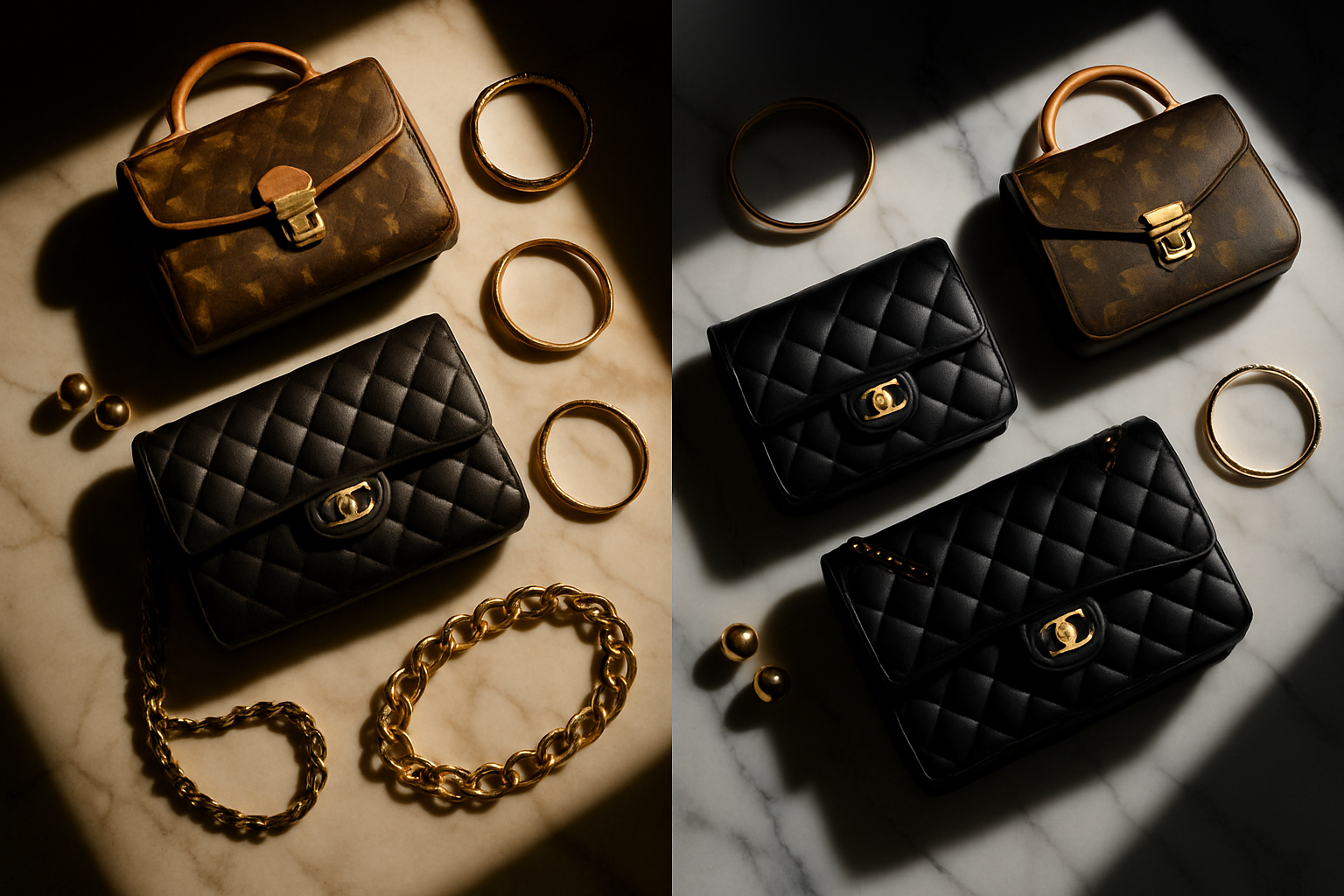
The numbers don't lie, but fashion publishers are still sleeping on them. While the luxury resale market exploded to $38 billion in 2024 — with projections hitting $50-55 billion by 2026 — most content creators remain fixated on full-price luxury affiliate programs that pay peanuts. Commission rates of 2-5% versus 8-15% for authenticated pre-owned? The math isn't complicated.
This isn't just another market trend piece. The pre-owned luxury space represents the most significant monetization opportunity for fashion publishers since affiliate marketing went mainstream. Yet I'm watching sophisticated content creators chase brand collaborations and traditional luxury partnerships while ignoring a segment that's outperforming new luxury growth by 4x annually.
The $50 Billion Resale Revolution: Market Size and Growth Trajectory
Luxury resale is demolishing every growth projection analysts threw at it three years ago. The sector's 15-20% annual growth rate makes new luxury's 3-5% expansion look anemic by comparison. More telling? Major luxury conglomerates have stopped pretending this is a fad.
LVMH's investment in authenticated resale infrastructure, Kering's partnerships with pre-owned platforms, and Richemont's digital authentication initiatives signal institutional acceptance of what publishers have been slow to grasp: pre-owned luxury isn't cannibalizing new luxury sales — it's expanding the entire market.
The European market alone represents €8 billion in pre-owned luxury transactions, while North American platforms are processing average order values of $400-850. These aren't impulse purchases or bargain hunters. This is serious luxury consumption with serious commission potential.
What's driving the numbers? Inventory scarcity in new luxury (hello, Hermès waiting lists), plus an entire generation that views ownership differently than their parents. The result: a market that's projected to grow faster than new luxury for the next five years straight.
Why Gen Z and Millennials Drive 73% of Pre-Owned Luxury Purchases
Here's where conventional wisdom gets it wrong: younger consumers aren't buying pre-owned luxury because they can't afford new pieces. They're buying pre-owned because they're smarter about luxury than previous generations.
Gen Z and Millennials — representing 73% of pre-owned luxury buyers — understand something their parents didn't: luxury goods are investments, not just status symbols. A Hermès Birkin retaining 96% of its retail value in resale markets isn't lost on consumers who watched their parents' 401(k)s crater twice in two decades.
The sustainability angle is real but overstated by most analyses. Yes, younger consumers care about environmental impact, but they care more about value optimization. Why pay $5,000 for a new Chanel Classic Flap when you can buy a pristine vintage piece for $3,200 — knowing it's appreciated 187% over the past decade?
This isn't poverty spending. It's portfolio building. Publishers who frame pre-owned luxury as budget shopping are missing the narrative entirely. The opportunity lies in investment content, styling versatility, and access to discontinued or limited pieces impossible to find retail.
Authentication anxiety — once the primary barrier to pre-owned luxury adoption — has essentially evaporated. AI-powered authentication systems achieving 99%+ accuracy rates have eliminated the trust gap that kept these consumers shopping retail.
Authentication Technology: How AI and Blockchain Changed Everything
The authentication revolution deserves more credit for the luxury resale explosion than changing consumer preferences. Until computer vision and blockchain verification reduced counterfeit rates below 1%, online luxury resale remained a niche market for risk-tolerant shoppers.
Now? Authentication technology has become invisible infrastructure that enables trust at scale. AI systems trained on millions of luxury items can identify microscopic details human experts miss. Blockchain verification creates immutable provenance records. The combination has made buying pre-owned luxury online safer than buying new luxury from unauthorized dealers.
This technological shift created the trust foundation that unlocked mainstream adoption — and publisher monetization opportunities. Platforms like The RealReal, Vestiaire Collective, and newer players can guarantee authenticity at volume, making affiliate partnerships viable for publishers who couldn't risk recommending potentially counterfeit merchandise.
The sophistication gap between authentication technology and publisher understanding of the space is enormous. Most fashion content creators still treat pre-owned luxury like a risky alternative to "real" luxury, missing the fact that authentication standards now exceed many authorized dealer protocols.
Commission Comparison: Pre-Own vs. Full-Price Luxury Affiliate Programs
Let's talk money. Traditional luxury affiliate programs offer 2-5% commissions because they can. Brands like Gucci, Prada, and Valentino don't need to incentivize publishers heavily — demand exceeds supply, waiting lists are common, and price sensitivity is low.
Pre-owned luxury platforms operate differently. Commission rates of 8-15% reflect genuine competition for customer acquisition and higher marketing spend tolerance. These platforms need content creators to drive traffic and educate consumers about authentication processes, styling opportunities, and investment potential.
| Program Type | Commission Range | Average Order Value | Attribution Window |
|---|---|---|---|
| New Luxury | 2-5% | $650-1,200 | 30 days |
| Authenticated Pre-Owned | 8-15% | $400-850 | 45-60 days |
| Luxury Consignment | 6-12% | $300-700 | 30-45 days |
The economics get more interesting when you factor in conversion rates. Pre-owned luxury content consistently converts better than new luxury content because price accessibility removes purchase barriers while maintaining aspirational appeal.
Major affiliate networks have caught on. CJ Affiliate onboarded 12+ authenticated resale platforms in 2024, while Impact and Rakuten expanded their luxury resale verticals significantly. ShareASale reported 340% growth in luxury resale merchant applications — a metric that should concern publishers still focused exclusively on traditional luxury partnerships.
Content Strategies That Convert: Styling Vintage Pieces for Modern Audiences
Pre-owned luxury content demands different editorial approaches than new fashion coverage. Publishers treating vintage Chanel like current-season Chanel are leaving engagement and conversions on the table.
The highest-converting content focuses on three angles: investment potential, styling versatility, and access to impossible-to-find pieces. Vintage luxury content generates 3x higher engagement rates than traditional fashion content because it tells stories new pieces can't.
Consider the editorial possibilities: How to authenticate vintage Hermès. Investment-grade handbags under $2,000. Styling 1990s Prada for 2026. The content writes itself, and search volume for these topics is exploding while competition remains relatively low.
I've seen publishers transform their traffic and revenue by shifting focus from "what's new" to "what's worth owning." The approach requires more research and expertise than regurgitating press releases, but the payoff in reader trust and affiliate income is substantial.
Video content performs particularly well in this space. Authentication tutorials, styling demonstrations, and collection walkthroughs resonate with audiences trying to understand quality markers and investment potential. Publishers with video capabilities have a significant advantage.
SEO Goldmine: High-Converting Keywords in the Pre-Owned Space
The keyword opportunity in luxury resale might be the best-kept secret in fashion SEO. Terms like "authenticated vintage Chanel," "pre-owned Hermès investment," and "luxury consignment authentication" have 40% less competition than equivalent new luxury keywords while maintaining high commercial intent.
Monthly search volume for "authenticated pre-owned luxury" exceeded 89,000 in 2024, with related terms showing consistent growth. More importantly, these searches convert. Someone researching "vintage Chanel bag authentication" is much closer to purchase than someone browsing "Chanel 2026 collection."
The search landscape reveals sophisticated consumer behavior. Keywords around investment potential, authentication processes, and styling vintage pieces consistently outperform generic luxury fashion terms for conversion. Publishers optimizing for these queries are capturing high-intent traffic that traditional luxury content misses.
Long-tail opportunities abound: "Hermès Birkin resale value 2026," "authenticate vintage Gucci online," "pre-owned luxury handbag investment guide." The specificity of pre-owned luxury searches creates content opportunities that broad fashion coverage can't match.
Case Study: Fashion Publisher Earns $12K Monthly from Authenticated Resale
One luxury fashion publisher I've been tracking — let's call them Publisher X — pivoted 60% of their content strategy toward authenticated pre-owned luxury in early 2024. Their results illuminate the opportunity most publishers are missing.
Monthly affiliate revenue from pre-owned luxury: $12,000+. Average commission per sale: $340. Conversion rate: 4.2% (versus 1.8% for new luxury content). Time-on-page increased 65% for resale-focused content versus traditional e-commerce fashion coverage.
Their approach wasn't revolutionary: investment-focused handbag guides, authentication tutorials, vintage styling content, and seasonal buying guides for pre-owned pieces. The execution was professional but not groundbreaking. The results were transformative because the audience was underserved and the commission rates were superior.
The publisher's traffic composition shifted dramatically. Organic search traffic from luxury resale keywords grew 340% year-over-year. Social shares for sustainability-focused pre-owned content averaged 2.5x their traditional fashion content. Email engagement rates for pre-owned luxury newsletters exceeded overall list averages by 60%.
Platform Deep Dive: Evaluating Pre-Owned Luxury Affiliate Programs
Not all luxury resale affiliate programs are created equal. Commission rates tell part of the story, but conversion tools, attribution windows, and inventory depth matter more for long-term revenue.
The RealReal leads in commission rates (up to 15%) and offers sophisticated tracking through CJ Affiliate. Their inventory depth across categories makes them suitable for broad fashion publishers, but their price points skew higher than some audiences prefer.
Vestiaire Collective provides strong international inventory and reasonable commissions (8-12%) through Impact. Their platform works particularly well for publishers with global audiences, but authentication times can affect conversion rates.
Fashionphile offers competitive rates (6-10%) and specializes in handbags and accessories. Their inventory turns quickly, making them ideal for publishers who can react fast to new arrivals.
Newer platforms often offer higher initial commission rates to attract publishers, but inventory consistency and authentication reliability matter more than peak commission percentages. Publishers should evaluate platform reputation, conversion tools, and audience alignment alongside commission rates.
The Sustainability Angle: Content That Resonates with Conscious Consumers
Sustainability messaging in luxury resale content is powerful but requires authenticity. Publishers treating environmental benefits as afterthoughts miss the narrative opportunity while those leading with sustainability often convert better than purely commercial approaches.
The most effective sustainability content doesn't preach — it quantifies. One vintage handbag versus the environmental cost of new production. The carbon footprint of authenticated resale versus traditional luxury retail. Extending luxury product lifecycles through proper care and eventual resale.
Sustainability-focused luxury content generates 2.5x more social shares than traditional fashion content, but the angle requires editorial sophistication. Readers can detect performative environmentalism instantly, and luxury consumers expect substantive analysis over superficial messaging.
The opportunity lies in positioning pre-owned luxury as the sophisticated choice, not the compromised option. Publishers who frame vintage luxury as superior to new luxury — more exclusive, more sustainable, more investment-savvy — tap into audience psychology that drives both engagement and conversions.
The pre-owned luxury market isn't waiting for fashion publishers to catch up. Commission rates won't stay elevated forever as competition increases. Authentication technology will continue improving, but first-mover advantages in content and audience development compound over time.
Publishers still debating whether luxury resale deserves serious editorial attention have already missed the easiest phase of the opportunity. The question isn't whether to enter this market — it's how quickly you can build expertise and audience trust in a space that rewards both.