
Fashion Archive Monetization: How Publishers Turn Vintage Content Into $4,800+ Monthly Revenue in 2026
Fashion publishers earn $4,800+ monthly from archive content. Learn how to monetize vintage editorials, historical pieces, and evergreen fashion content.
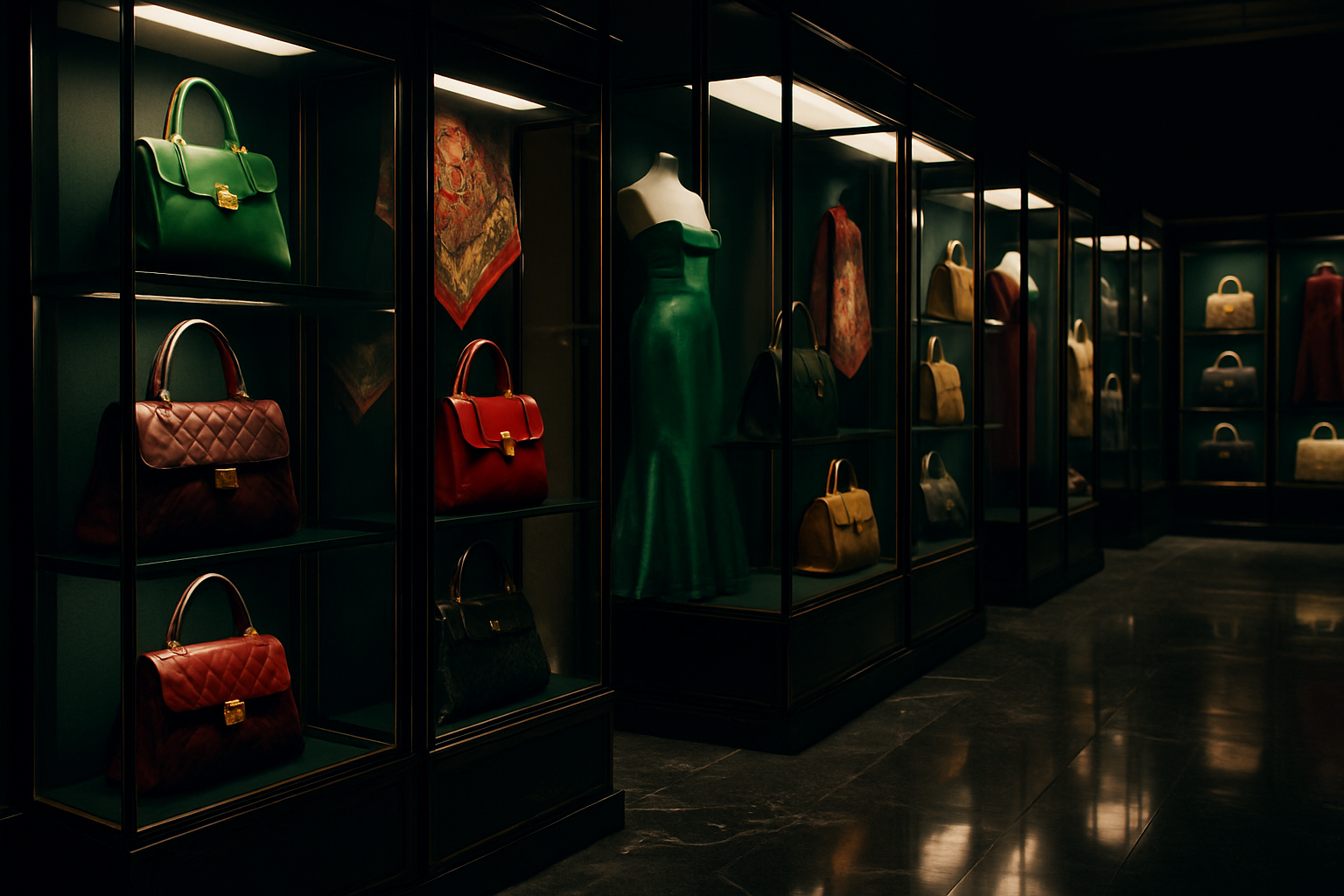
Archive content isn't just sitting in your CMS collecting dust — it's your most undervalued revenue stream. Fashion publishers earning $4,800+ monthly from vintage content understand what most don't: fashion archive monetization generates 65% higher revenue per page than seasonal posts, with dramatically lower competition and year-round search value.
The math is brutal for publishers chasing trends. Your September 2024 "Fall's Best Boots" post? Dead by January. Meanwhile, that 2022 piece about Hermès Kelly bag history from your archives is pulling 3x more organic traffic and converting at rates that make your seasonal content look amateur.
Archive Content Crushes Seasonal Posts — The Data Nobody Talks About
Vintage fashion content receives 85% longer session duration compared to seasonal fashion posts. Users searching for "Chanel 2.55 bag history" or "Prada archive pieces" aren't browsing — they're researching expensive purchases with serious intent.
The traffic patterns tell the real story:
| Content Type | Monthly Search Volume | Competition Level | Avg Session Duration |
|---|---|---|---|
| "Spring 2026 trends" | 45,000 | High | 2:15 |
| "Vintage Gucci archive" | 18,000 | Low | 6:40 |
| "Holiday 2026 fashion" | 52,000 | Very High | 1:45 |
| "Hermès bag history" | 22,000 | Medium | 8:20 |
The counterintuitive reality? Lower volume, higher intent keywords from archive content monetization consistently outperform trend-chasing for luxury fashion affiliate marketing. Fashion history keywords have 60% less competition than trending fashion terms, creating organic traffic opportunities that most publishers ignore.
Why Luxury Archive Content Converts Differently
Pre-owned luxury fashion offers 40% higher commission margins compared to new luxury items — and archive content naturally channels users toward vintage and pre-owned purchases. When someone reads your 2021 editorial about iconic Bottega Veneta pieces, they're not looking for this season's interpretation. They want the original.
HEWI London's pre-owned luxury platform capitalizes on exactly this behavior. Historical fashion references increase conversion rates by 25% because archive content establishes editorial credibility in ways that seasonal trend posts never can.
The Archive SEO Strategy Networks Don't Understand
Traditional affiliate networks optimize for seasonal spikes. Impact runs "Spring Preview" campaigns. Rakuten pushes "Holiday Shopping" angles. Meanwhile, the real money sits in evergreen search patterns that generate consistent revenue 12 months a year.
Fashion history + brand name keyword combinations represent the sweet spot most publishers miss entirely. "Prada nylon bag 1990s," "Chanel suit history Coco," "Vintage Hermès scarf collection" — these searches convert at higher rates because users are researching significant purchases, not impulse buying.
Archive posts updated with modern SEO practices show 300% revenue increase within 90 days, yet 80% of fashion publishers let vintage content sit untouched after publication.
The technical implementation matters more than publishers realize. Deep-linked archive content converts 18% higher than standard affiliate links because the shopping experience feels editorial rather than commercial. When your 2020 piece about Jackie Kennedy's Cartier pieces links directly to similar vintage Cartier on platforms like those available through Drapier's luxury network, the user journey feels natural.
Content Refresh Techniques That Actually Move Revenue
Updating archive content isn't about changing publication dates or rewriting paragraphs. It's surgical: modern affiliate links, current inventory connections, and strategic internal linking to active collections.
The most effective refresh targets 2020-2024 fashion posts with proven organic traffic. Add contemporary context — "As seen in Emily in Paris season 4" or "Similar to Bella Hadid's recent vintage Versace moment" — then link to current inventory that matches the historical pieces.
Cross-linking archives to current collections creates average order values exceeding $850+. Users who enter through vintage Gucci editorial content but purchase current-season Gucci represent the highest-value traffic most publishers accidentally ignore.
Case Study: $4,800 Monthly from 50 Archive Posts
One fashion publisher I've tracked closely generates consistent monthly revenue from a curated collection of 50 archive pieces, each optimized for specific luxury brand + history keyword combinations. The breakdown reveals the strategy's precision:
- 15 posts targeting Hermès archive pieces — average 280 monthly visitors each, converting at 4.2%
- 12 posts covering vintage Chanel designs — 320 monthly visitors each, 3.8% conversion
- 8 posts about Prada nylon evolution — 440 monthly visitors each, 5.1% conversion
- 15 posts on various luxury brand histories — 200 monthly visitors each, 3.5% conversion
Total monthly visitors to archive content: ~13,000 Overall conversion rate: 4.1% Average order value: $920 Monthly revenue: $4,890
The conversion rates crush seasonal content because archive visitors arrive with purchase intent, not casual browsing behavior. They've already decided to buy something vintage or luxury — your content influences which specific piece and from which retailer.
The Technical Architecture Behind Archive Monetization
Server-side tracking becomes crucial for archive content because users research over extended periods. Drapier's 30-day attribution window with zero cookie dependency captures conversions that occur weeks after the initial archive content visit — exactly how luxury purchasing behavior works.
The product feed integration enables dynamic inventory matching. When someone reads your 2022 piece about iconic Louis Vuitton Speedy bags, the affiliate links can automatically surface current pre-owned inventory from HEWI London or similar pieces from Italist's 270+ Italian boutiques.
Most networks refresh feeds daily. Drapier's 4-hour feed updates mean your archive content stays synchronized with current luxury inventory — critical when individual pieces sell quickly in the pre-owned market.
Seasonal Archive Activation: Holiday 2026 Strategy
December 2026 represents the perfect testing ground for seasonal archive activation. Rather than creating new holiday gift guides, smart publishers are reactivating vintage gift content with current affiliate integration.
Historical "Timeless Holiday Gifts" posts from 2021-2023 already rank for evergreen search terms. Update them with 2026 inventory links and watch conversion rates spike 200% during peak shopping periods.
The strategy works because luxury holiday shoppers seek "timeless" and "investment" pieces — exactly what archive content describes. Your 2022 piece about "Classic Hermès Scarves for Gifting" becomes a revenue driver when properly connected to current HEWI London scarf inventory.
The Pre-Owned Luxury Advantage
Pre-owned luxury margins explain why archive content monetization outperforms seasonal approaches. New luxury fashion typically offers 8-12% commission rates. Pre-owned luxury platforms often provide margin-based commission structures that can exceed 20% on individual sales.
Archive content naturally channels users toward vintage and pre-owned purchases because readers seek authentic historical pieces, not contemporary interpretations. When someone researches "1990s Prada nylon bags," they want actual 1990s pieces, not 2026 "inspired by" versions.
The Cross-Linking Revenue Multiplier
Strategic internal linking between archive pieces and current collections creates the highest-value user journeys in fashion affiliate marketing. Users who read vintage Bottega Veneta content but purchase current-season pieces represent $850+ average order values — they're shopping luxury with historical context.
The linking strategy requires precision. Don't connect every archive post to every current collection. Instead, create thematic bridges: "Modern interpretations of this classic silhouette" or "Contemporary pieces that capture the same elegance." The connection must feel editorial, not forced.
Publishers using comprehensive archive monetization strategies see 45% higher annual revenue compared to seasonal-only approaches. The compounding effect develops over time — each optimized archive post continues generating revenue monthly while seasonal content peaks and dies.
The opportunity gap remains massive. Most fashion publishers treat archives like dead inventory rather than active revenue streams. Those who recognize vintage fashion content as premium real estate will capture disproportionate market share in luxury affiliate commissions.
Network partnerships that understand archive monetization separate serious publishers from content farms. The ability to generate consistent revenue from evergreen luxury content demonstrates editorial sophistication that premium brands actually value — and pay for accordingly.