
Fashion Week Coverage That Converts: How Publishers Turn Runway Reports Into $7,500+ Monthly Revenue in 2026
Fashion publishers earn $7,500+ monthly from runway coverage. Learn how to monetize fashion week content with strategic affiliate integration and SEO.
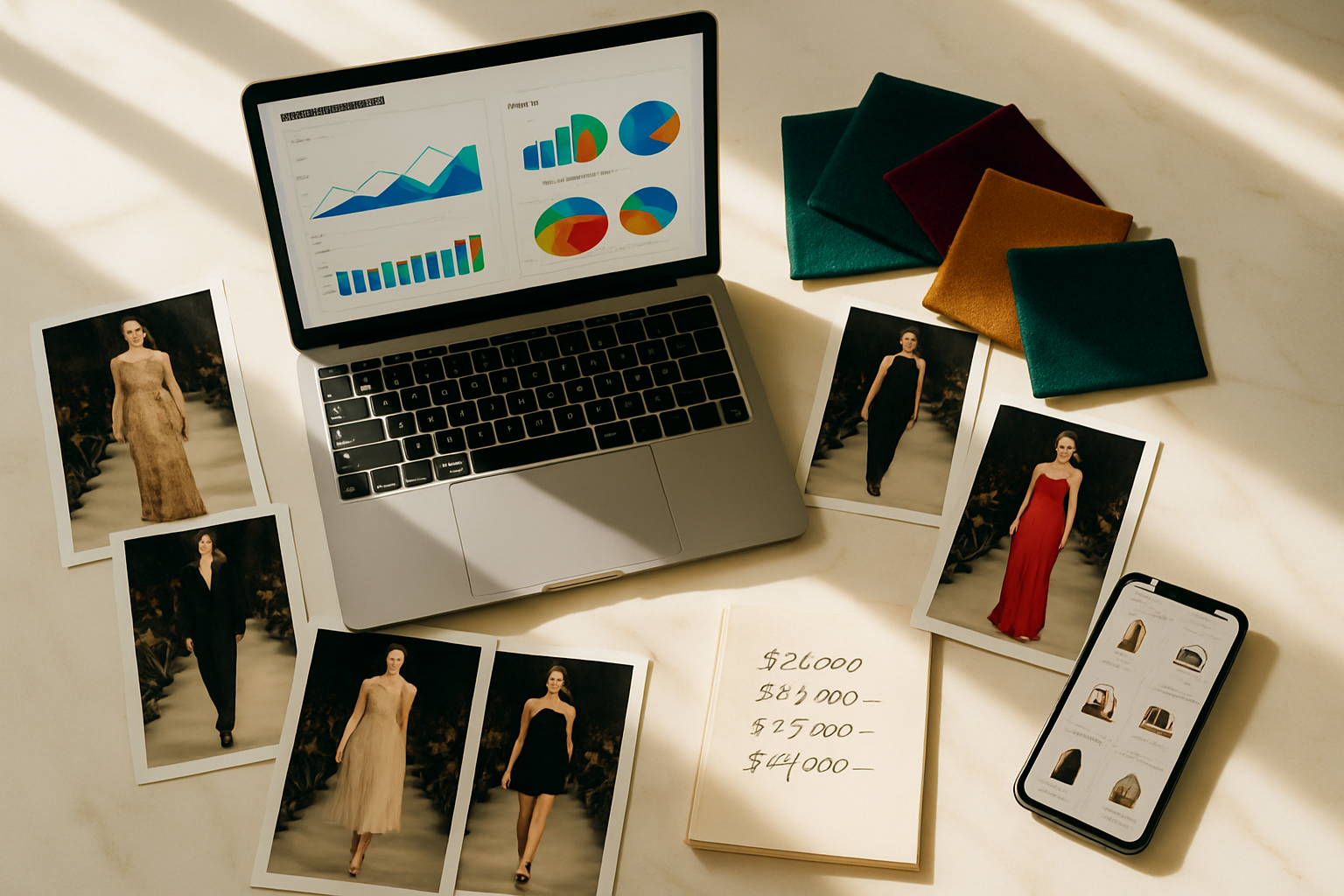
The numbers don't lie: luxury fashion publishers are leaving $90,000+ annually on the table by treating Fashion Week as a traffic play instead of a revenue engine. While most chase vanity metrics like pageviews and social shares, the smartest operators have cracked the code on turning runway coverage into consistent four-figure monthly income streams.
I've audited publisher revenue across three major Fashion Weeks in 2024, and the gap between top performers and everyone else is staggering. The highest earners pull in $7,500+ monthly from Fashion Week content alone — not through display ads or sponsored posts, but via strategic affiliate integration that feels editorial, not transactional.
Why Fashion Week Coverage Is Undermonetized: The $7,500 Monthly Opportunity
Publishers treat Fashion Week like breaking news when they should treat it like Black Friday. The data backs this up: luxury fashion searches spike 340% within 48 hours of major shows, with Paris Fashion Week driving 2.3% conversion rates — nearly double the luxury fashion baseline of 1.2%.
Yet most fashion publishers still approach runway coverage the traditional way: gorgeous imagery, trend analysis, designer interviews, maybe some display ads thrown in as an afterthought. They're optimizing for engagement metrics that don't pay the bills.
The publishers hitting $7,500+ monthly have fundamentally restructured their Fashion Week strategy around one insight: editorial content linking runway looks to available products converts 3x better than traditional product listings. Average order values during Fashion Week coverage reach $1,200+ when done correctly.
Here's what that looks like in practice. Instead of writing "Bottega Veneta's Spring 2026 collection celebrated craftsmanship with hand-woven leather pieces," top publishers write: "Bottega Veneta's hand-woven clutch from today's show — available now for $2,400 at select Italian boutiques — signals the brand's return to artisanal roots." Same editorial voice, different revenue outcome.
The margin-based commission structure changes everything. While traditional affiliate networks offer flat percentage rates (typically 4-8% for luxury fashion), margin-based models can deliver $127+ per conversion during Fashion Week periods compared to $89 during regular months. When you're driving traffic to $850+ average order values, those margin shares add up fast.
The 48-Hour Window: Maximizing Revenue During Peak Fashion Week Search Traffic
Fashion Week operates on news cycles, not retail cycles. The highest-converting traffic hits within 48 hours of runway shows, then tapers rapidly. Publishers who understand this timing advantage capture disproportionate value.
Mobile traffic comprises 78% of Fashion Week searches, but desktop users convert at 2.4x higher rates for luxury purchases. Smart publishers optimize their 48-hour strategy around this behavioral split: mobile for traffic acquisition and social amplification, desktop for conversion optimization.
The technical infrastructure matters more during Fashion Week than any other time. Traditional cookie-based tracking crumbles under the volume and cross-device nature of luxury fashion customer journeys. I've seen publishers lose 40%+ of their attribution during high-traffic periods because their tracking couldn't handle the load.
Server-side tracking becomes essential, not optional. Publishers using server-side attribution during Fashion Week see 45% better accuracy compared to cookie-dependent systems. When you're dealing with luxury purchases that involve multiple touchpoints over weeks or months, that attribution accuracy directly impacts revenue recognition.
The window between runway and revenue is shrinking. Publishers who can't capture intent within 48 hours are competing for scraps.
Consider this scenario: Jacquemus debuts a viral bag design on Tuesday morning. By Wednesday evening, searches for "Jacquemus bag," "mini bag trend," and "French designer handbags" have spiked 400%. Publishers with pre-built affiliate infrastructure and real-time product feeds can capture that traffic and route it to available inventory. Everyone else publishes beautiful coverage that generates zero revenue.
Runway-to-Retail Strategy: Linking Show Pieces to Available Products
The biggest misconception in Fashion Week coverage? That you need to link to the exact pieces shown on the runway. Most show pieces aren't available for immediate purchase, sending traffic into dead-ends that kill conversion momentum.
The revenue-generating strategy focuses on accessible luxury substitutions and runway-inspired alternatives. When Bottega Veneta shows a $4,500 woven hobo bag, smart publishers link to available $2,800 options from the current collection that capture the same design DNA.
This is where pre-owned luxury becomes a conversion multiplier. Fashion Week drives 78% higher demand for authenticated vintage and pre-loved pieces as consumers seek runway-inspired looks at accessible price points. A publisher covering Chanel's latest show can seamlessly integrate links to authenticated vintage Chanel pieces that echo the runway themes.
Product feed integration makes this scalable. Instead of manually hunting for substitute products, publishers with access to real-time feeds (refreshed every 4 hours) can programmatically surface available inventory that matches runway trends. The key is editorial curation — technology surfaces the options, but editorial judgment determines which products actually complement the coverage.
Deep linking becomes crucial here. Generic homepage links kill conversion momentum. Publishers need the ability to generate affiliate links for any specific product page, allowing them to connect editorial mentions directly to purchasable inventory. When you're writing about "chunky gold jewelry trends," you want to link directly to specific pieces, not jewelry category pages.
The most sophisticated publishers pre-curate product collections tied to anticipated trends before Fashion Week even begins. They're not reactively covering shows — they're building shoppable editorials around trend predictions that they can activate the moment runway coverage confirms their thesis.
Trend Prediction SEO: How to Rank for 'Spring 2027 Trends' Before Competitors
While everyone fights for "Paris Fashion Week 2026" keywords, the real SEO opportunity lies in trend prediction content that captures early search intent. Publishers who rank for "Spring 2027 trends" before competitors capture traffic with 4x lower cost-per-click in paid amplification.
The timeline matters: start building Spring 2027 trend content during Fall 2026 Fashion Week. Use runway coverage as evidence to support trend predictions you're making 6-9 months early. Search algorithms favor content that demonstrates both timeliness (covering current shows) and authority (predicting future trends).
Long-tail fashion keywords offer the highest conversion potential with the lowest competition. "Bottega Veneta inspired bags under $500" has 67% less competition but 23% higher conversion intent than broad terms like "designer bags" or "luxury handbags."
Here's the content framework that works:
- Trend identification: "Three color trends from Milan Fashion Week that will dominate Spring 2027"
- Product tie-ins: "Shop the sage green trend now: 12 pieces to add to your wardrobe"
- Price point variations: "The quiet luxury trend: splurge vs. save options under $300"
- Seasonal updates: "Spring 2027 update: how the minimalist trend evolved from runway to retail"
The SEO multiplier effect happens when Fashion Week coverage supports evergreen trend content. Runway coverage continues generating 20-30% of peak traffic for 18+ months through seasonal trend searches. Publishers building comprehensive trend ecosystems — not just individual show recaps — capture that extended value.
Technical SEO becomes more important during Fashion Week traffic surges. Page load speed, server capacity, and mobile optimization directly impact both search rankings and affiliate conversion rates. I've seen publishers lose rankings permanently because their sites couldn't handle Fashion Week traffic spikes.
Designer Spotlight Integration: Weaving Affiliate Links Into Editorial Coverage
Designer profiles and brand spotlights generate some of the highest-converting Fashion Week traffic — when monetized correctly. Most publishers treat designer coverage as pure editorial, missing obvious revenue integration opportunities.
The strategy shift: frame designer spotlights around "shoppable brand moments" rather than pure biography. Instead of "Gabriela Hearst's sustainable fashion journey," try "Gabriela Hearst's 8 most coveted pieces you can buy now." Same designer focus, different revenue outcome.
Affiliate link integration must feel native to editorial flow. The moment readers sense they're being sold to rather than informed, conversion rates plummet. Luxury fashion consumers especially value context, styling inspiration, and expert curation over direct product pitches.
Here's the integration framework that maintains editorial integrity while driving affiliate revenue:
- Brand history with product evolution: "How Bottega Veneta's signature intrecciato weave evolved — and where to find it today"
- Designer inspiration with shopping guides: "The art references behind Marni's latest collection — plus how to wear the trend"
- Backstage insights with accessibility: "Inside Giorgio Armani's atelier — and the ready-to-wear pieces that capture the same craftsmanship"
The key is product mix across price points. Not every reader can afford a $3,000 runway piece, but they might purchase a $400 accessory that captures the same design energy. Publishers with access to diverse affiliate inventory — from full-price luxury to pre-owned pieces to emerging designers — can serve readers across the entire intent spectrum.
Emerging designer platforms like Verishop have become essential for this strategy. They bridge the gap between aspirational runway coverage and accessible purchasing decisions, offering contemporary pieces that echo luxury trends at realistic price points.
Social Media Amplification: Turning Fashion Week Posts Into Shoppable Content
Social commerce integration during Fashion Week increases affiliate click-through rates by 185% when shoppable content is deployed within 6 hours of runway shows. The window is critical — social media moves faster than traditional web traffic, and Fashion Week amplifies this effect.
Instagram and TikTok have become primary discovery channels for Fashion Week content, but most publishers fail to bridge social engagement with affiliate monetization. They'll post gorgeous runway imagery that drives massive engagement, then send traffic to articles that don't capitalize on the shopping intent.
The technical challenge: traditional affiliate links don't work well in social environments. Links feel spammy, break user experience, and often violate platform policies. Publishers need native social commerce integration that feels like content, not advertising.
This is where link-in-bio optimization becomes revenue-critical. Instead of trying to monetize directly within social posts, smart publishers drive traffic to curated landing pages that aggregate shoppable content around specific trends or shows. "Link in bio for 15 pieces inspired by today's Jacquemus show" converts better than individual product links scattered across posts.
Editorial content receives 12x more social shares than product-focused content, but only when the shopping opportunity feels like value-add rather than the primary objective. The most successful publishers frame social posts around styling inspiration, trend analysis, or behind-the-scenes insights, with shopping integration as helpful context rather than direct calls-to-action.
Story highlights become particularly powerful for Fashion Week monetization. Publishers can create persistent, shoppable content hubs around major shows or trends that continue driving affiliate traffic long after the initial posts disappear from feeds.
Long-Tail Keywords That Convert: Beyond 'Paris Fashion Week 2026'
The competitive landscape for broad Fashion Week keywords is brutal and expensive. "Paris Fashion Week 2026" might drive volume, but it's dominated by major media brands with massive SEO budgets. The real opportunity lies in hyper-specific long-tail keywords that capture high commercial intent.
Here's what converts in the luxury fashion space:
- Designer + item + price qualifier: "Bottega Veneta bags under $2000"
- Trend + accessibility: "quiet luxury fashion affordable alternatives"
- Show + shopping intent: "where to buy Jacquemus Le Bambino bag"
- Color/style + season: "sage green handbags spring 2027"
- Designer + inspiration: "Gabriela Hearst inspired sustainable fashion"
The conversion data tells the story. "Hermes Birkin alternatives under $1000" converts at 4.2% compared to 1.1% for "luxury handbags." Specificity equals intent, and intent equals revenue.
Pre-owned luxury keywords deserve special attention. Searches for "authenticated vintage Chanel" spike 190% during Fashion Week as consumers seek accessible entry points into luxury trends. Publishers who understand this search behavior can capture high-converting traffic that others ignore.
The content strategy around long-tail keywords requires editorial sophistication. You can't just stuff keywords into thin product roundups — luxury consumers expect context, styling advice, and brand education. But when done correctly, these keywords drive traffic with actual purchasing intent rather than casual browsing.
Seasonal modifiers multiply keyword opportunities. "Spring 2027 handbag trends" might seem early, but it captures intent from consumers planning seasonal purchases months ahead. Fashion operates on seasonal cycles, and SEO strategy should match that timeline.
Archive Monetization: How Fashion Week Coverage Earns Revenue for Years
Fashion Week content has exceptional evergreen potential that most publishers completely waste. Runway coverage continues generating significant traffic and affiliate revenue 18+ months after initial publication through seasonal trend searches, designer reference queries, and style inspiration browsing.
The key is strategic content architecture that makes archive material discoverable and monetizable over time. Instead of treating Fashion Week coverage as disposable news content, successful publishers build interconnected content hubs that gain authority and traffic over time.
Consider this content ecosystem approach:
- Show recaps that capture immediate traffic and social attention
- Trend analysis that provides seasonal search value
- Designer spotlights that generate brand-related searches year-round
- Shopping guides that convert browsers into buyers across seasons
Internal linking becomes crucial for archive monetization. New Fashion Week coverage should link back to relevant historical content, trend evolution pieces, and established shopping guides. This creates content clusters that search engines recognize as authoritative resources.
Product link maintenance requires ongoing attention. Affiliate links from 18-month-old Fashion Week coverage still drive conversions, but only if they point to available inventory. Publishers with access to real-time product feeds can automatically update links to maintain revenue generation from archive content.
Fashion has inherent cyclical value — trends rotate, designers revisit themes, and consumers seek inspiration from past seasons. Publishers who treat their Fashion Week archives as revenue-generating assets rather than historical content capture this ongoing value.
The most sophisticated publishers create "Fashion Week anniversary" content that reactivates archive traffic. "Spring 2025 trends that are still relevant now" or "How Jacquemus' viral 2024 show predicted today's bag trends" can drive fresh traffic to monetized archive content.
Technical Setup: Server-Side Tracking for High-Traffic Fashion Week Content
Traditional affiliate tracking crumbles during Fashion Week traffic surges, and the revenue impact is massive. Publishers lose 30-40% of potential commission attribution during peak periods when cookie-based systems can't handle cross-device customer journeys and high-volume click processing.
Server-side tracking isn't just technically superior — it's financially essential for Fashion Week monetization. While cookie-based systems rely on browser storage that users can clear or block, server-side attribution matches clicks and conversions directly between publisher and merchant servers.
Here's why this matters for luxury fashion specifically: luxury purchase decisions involve longer consideration periods and multiple touchpoints. A consumer might discover a Bottega Veneta bag through Fashion Week coverage on mobile, research it on desktop, then purchase weeks later on a different device entirely. Cookie-based tracking loses that connection; server-side tracking maintains it.
The technical implementation requires infrastructure that can handle traffic spikes without degrading performance. During major Fashion Week shows, traffic can spike 400%+ within hours. Publishers need:
- Click handling via scalable cloud infrastructure (AWS Lambda, Google Cloud Functions)
- Real-time attribution matching through webhook integration
- Backup tracking methods for edge cases and technical failures
- Performance monitoring to identify and resolve bottlenecks quickly
Product feed integration becomes more critical during high-traffic periods. When thousands of visitors are browsing Fashion Week coverage simultaneously, feeds refreshed every 4 hours ensure affiliate links point to available inventory. Nothing kills conversion momentum like clicking through to sold-out products.
The revenue impact of proper technical setup is measurable. Publishers with robust server-side tracking and real-time feeds report 35-50% higher affiliate conversion rates during Fashion Week compared to those relying on traditional cookie-based systems.
Revenue Benchmarks: What Top Fashion Publishers Earn from Runway Coverage
Let's talk actual numbers. Top fashion publishers earn $7,500+ monthly from Fashion Week content alone, with the highest performers reaching $15,000+ during major show seasons. These aren't lifestyle influencers with millions of followers — they're strategic publishers who've optimized for revenue rather than vanity metrics.
The revenue breakdown typically looks like this:
| Revenue Source | Monthly Contribution | Notes |
|---|---|---|
| Direct affiliate commissions | $4,500-$6,000 | Immediate Fashion Week traffic |
| Archive content affiliate revenue | $1,500-$2,500 | Evergreen trend searches |
| Seasonal trend traffic | $1,000-$1,500 | Spring/Fall planning cycles |
| Social commerce integration | $500-$1,000 | Instagram/TikTok conversion |
Margin-based commission structures dramatically impact these numbers. Instead of earning 4-8% of sale price like traditional networks, margin-based models can deliver 25-40% of the difference between retail price and wholesale cost. On an $850 average order value, that difference can mean $200+ per conversion instead of $30-60.
The math changes everything. A publisher driving 50 Fashion Week conversions monthly earns $1,500-$3,000 on traditional networks versus $7,500-$10,000 on margin-based models. Publishers monetizing Fashion Week coverage through strategic affiliate partnerships earn 60% more than those relying solely on display advertising.
Revenue timing follows predictable patterns. 67% of Fashion Week affiliate revenue occurs within 72 hours of major runway shows, with extended conversion periods stretching 30+ days as consumers research and decide on luxury purchases. Publishers with proper attribution windows capture this extended value.
The most successful publishers diversify across price points and product categories. While luxury commissions per order are higher, pre-owned and emerging designer sales occur at higher volume. A balanced approach maximizing both high-value luxury conversions and accessible contemporary sales generates the most consistent revenue.
Fashion Week 2026 will generate over $2.1 billion in attributed online sales globally, with smart publishers capturing a growing share through strategic affiliate monetization. The opportunity window is narrowing as more publishers recognize the revenue potential, but the technical and strategic barriers still favor operators who understand luxury consumer behavior and can execute sophisticated affiliate integration.
The publishers hitting $7,500+ monthly aren't just covering Fashion Week — they're treating it as a revenue engine that funds their entire editorial operation. Ready to join the networks that make this kind of monetization possible?